Ferragamo Archive Bags Explained: Sofia, Fiamma, Ginny and Trifolio
Some of the most recognisable ferragamo bags cannot be bought new. Sofia, Fiamma, Ginny and Trifolio all sit outside the current United States line-up, alongside names such as Wanda, Boxyz, Margot, Today, Seila, Lotty, Trapezio, Joanne, the Smile Hobo, the Charming Tote and the Gancio Lock Tote. They survive on the second-hand market, where a generation of owners keeps them circulating, and where the prices quoted below were observed as 2026 market prices on 7 September 2026 rather than taken from any official list. This is an archive in the working sense: not a museum, but a set of models that people still carry. Reading it properly means separating three things that are constantly muddled online, namely a bag, a shoe and a person. This piece begins with that separation.
Bags Inside a Shoemaker’s House
The house was founded by Salvatore Ferragamo in 1927 and built entirely on footwear, from Florence and, in time, from Palazzo Spini Feroni. He had studied human anatomy in the United States before he returned to Italy, and the reputation he carried was a shoemaker’s. Bags came later and came from the next generation. In 1965 Fiamma Ferragamo began designing bags and small leather goods as accessories to the shoes, and the first press article featuring a Ferragamo bag is dated 1969. Nearly four decades separate the two, and that explains a great deal about the archive, because the early bags were conceived as companions to footwear rather than as a separate discipline. It also explains why so much of the bag vocabulary, its most famous hardware included, is borrowed from the shoe side of the house.
Sofia: Two Different Bags, One Name
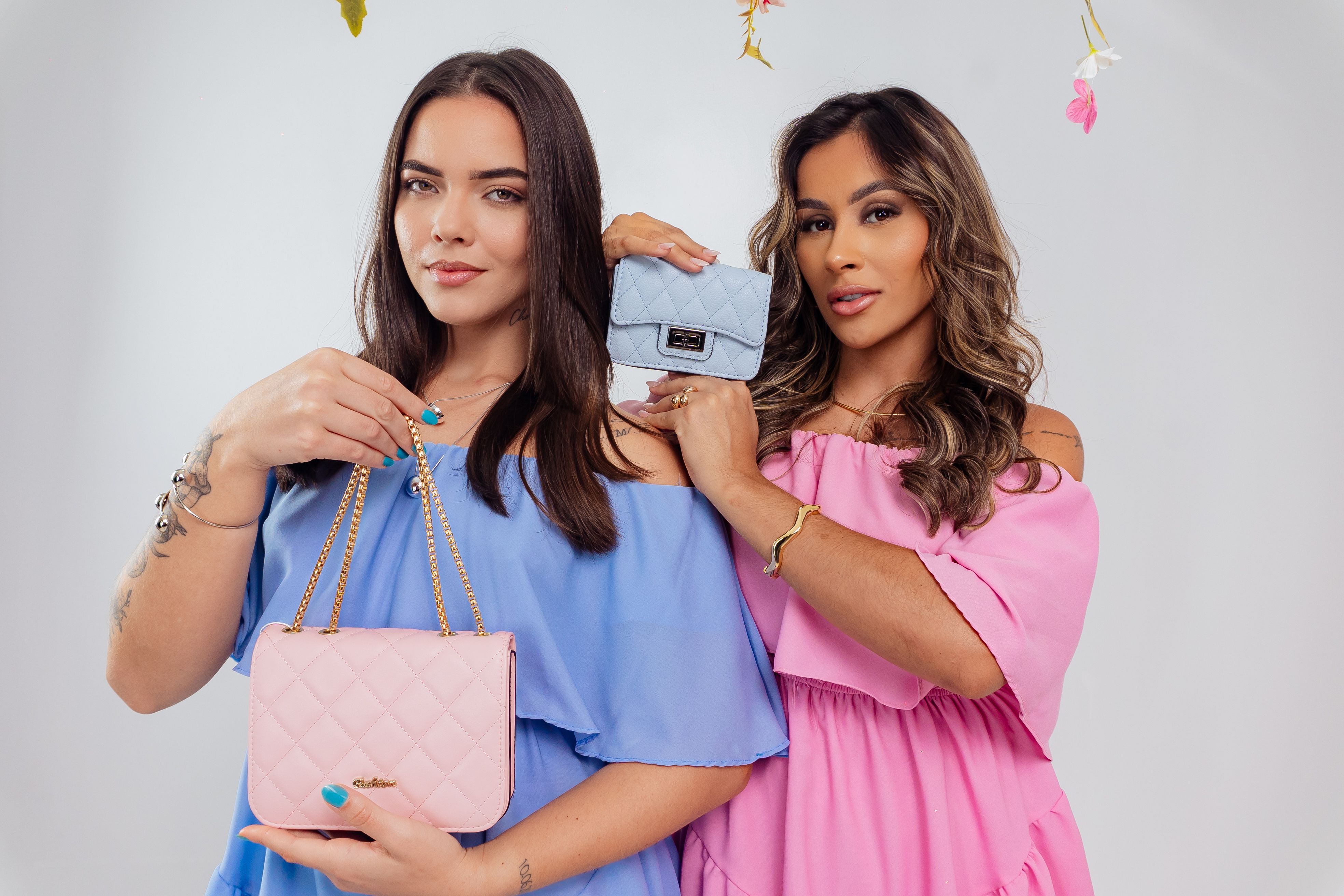
Sofia is the clearest example of why the archive confuses people. The older Sofia is a genuine resale classic and one of the names platform editorial reaches for when listing the house’s recognised models. A Ferragamo Sofia 2026 shoulder bag is at the same time part of the current line-up, seen at $2,700 in medium and $3,200 in large. These are not the same bag, and a listing that says only “Sofia” tells you almost nothing until you look shoulder bags online at the photographs. Officially it is Sofia with an f, although at least one retailer lists it as Sophia, which is reason enough to search both spellings. Once you read the name as a family rather than as a single object, the listings line up.
Fiamma: A Person, and Then a Product
Fiamma Ferragamo is the reason this house makes bags at all, and her name later attached to one. She started the bag and small leather goods line in 1965, and in 1978 she designed the Vara, the low-heeled pump with a grosgrain bow that went on to sell more than a million pairs. There is a Fiamma bag in the archive, and it surfaces in resale listings, where editorial regularly names it among the classics. What it is not is a current model, and it should not be confused with her wider body of work. The same care is needed with Wanda, another archive name: Wanda Ferragamo was the founder’s wife and Fiamma’s mother, while a Wanda bag turning up in resale and outlet channels is a product named after her rather than the woman herself. The single most useful habit when reading archive listings is holding the people and the products apart.
Ginny: A Shoe Detail Carried Onto a Bag
The Ginny is where the borrowing becomes literal. It is a bowling-style bag carrying the Vara bow and plate, and one of the names resale editorial treats as a recognised classic. The essential point, and the one most often mangled, is that the Vara itself is a shoe and has never been a handbag line. The Vara is the 1978 pump described above, and it touches bags only as a borrowed detail: a bow, a plate, a piece of visual shorthand. A mini Vara-plate convertible bowling bag was observed at $870 on the second-hand market, which places it in the middle of the archive band. A seller advertising a “Vara handbag” as a distinct line has got the name wrong.
Trifolio: Absent From the US Line-Up
Strongest performer in the archive, the Trifolio is also the case here that calls for the most careful phrasing. A large Trifolio tote in Gancini-embossed leather was observed at $2,040, the top of the archive band by a clear margin and close to where used Studio pieces sit. Its status, though, needs stating precisely: the collection page for the United States now returns a not-found error while an Australian page remains indexed. That is enough to say the Trifolio is no longer in the US line-up, and not enough to declare the model dead, because the house has confirmed nothing publicly either way. Line-ups differ from region to region as a matter of routine, and pages are added and removed for reasons that have nothing to do with a model ending. If you want one, treat it as an archive purchase rather than waiting for a restock nobody has promised.
The Broader Archive and What It Costs
Under the named classics runs a long tail of practical styles that once did the everyday work of the collection. Today, Boxyz, Charming, Joanne, Lotty, Seila and the Smile Hobo were observed between $500 and $945, which is the floor of the whole market. Just above them, pieces with heritage hardware carry a small premium: a medium Gancini turnlock flap at $1,130 to $1,190 and a Margot hobo at $1,020. The origin of that hardware is documented, because a photograph published in an American trade paper in 1972 showed a Ferragamo bag with a hook-shaped metal closure, the first appearance of the motif. Bear in mind that every figure below is one platform’s snapshot on one day, and that asking prices are not sale prices. The table collects the models discussed here, with their status and their observed 2026 market prices.
| Model | Current status | Resale price observed, 2026 | Note |
|---|---|---|---|
| Trifolio Tote, Gancini embossed, Large | No longer in the US line-up | $2,040 | Highest in the archive band |
| Sofia, the older version | Not a current model; a Sofia 2026 does sit in the line-up | No figure in this snapshot | Listed among the classics by resale editorial |
| Fiamma | Not in the current US line-up | No figure in this snapshot | Carries the name of the designer of the bag line |
| Ginny, Vara-plate bowling bag | Absent from the current US line-up | $870 (mini) | Wears a shoe’s bow, not a bag’s |
| Wanda | Outside the current US line-up | No figure in this snapshot | Named after the founder’s wife |
| Gancini Turnlock Flap, Medium | Not in the current US line-up | $1,130–$1,190 | Priced up for heritage hardware |
| Margot Hobo | Not in the current US line-up | $1,020 | Gancini piece with slouch |
| Today, Boxyz, Charming, Joanne, Lotty, Seila, Smile Hobo | Not in the current US line-up | $500–$945 | The floor of the archive |
Archive Buying Without Getting Caught Out
Archive shopping is a different exercise from walking into a ferragamo shop, and the first difference is the name that appears on the listing. The brand mark became simply Ferragamo in 2022, yet the listed company remains Salvatore Ferragamo S.p.A., and resale platforms have followed the company, which is why Rebag, Fashionphile, The RealReal, eBay, 1stDibs and Vestiaire all still file these models under the older name. Search both, because a seller using only the short mark and a seller who writes salvatore ferragamo are describing the same salvatore bag. Judge condition from the photographs rather than the adjectives, watching corners, handles, linings and hardware plating. The house publishes no authentication guide, so treat the checks discussed on consignment blogs as consensus among outsiders rather than instruction from the brand. Three habits are worth keeping.
- Always ask for measurements: archive names were used for several sizes over time.
- Look at a minimum of three listings of the same model before you decide what is normal.
- Cost out a current alternative too, including whatever a seasonal ferragamo sale happens to hold.
Why the Archive Matters Still
The archive holds the house’s real history with bags, and it tells a different story from the shop window. The boutique leads with the Hug, the Cara and the Studio Bag, while the second-hand market keeps coming back to Sofia, Fiamma, Ginny and the Gancini flaps. Both views are right, and carrying both at once is what makes someone a genuinely informed buyer of salvatore bags. There is also a plain practical argument, since $500 to $945 buys Italian-made leather goods from a house whose current entry point sits well above that. What you give up is newness, warranty comfort and choice of colour, and what you gain is a piece that has already proved it lasts. If you are building a collection rather than buying a single bag, that trade is normally the better one.